
Home > Blog > Astronomy
Essential Guidance for Navigating OFAC-Related Challenges

Essential Guidance for Navigating OFAC-Related Challenges
The Office of Foreign Assets Control (OFAC) plays a critical role in the enforcement of U.S. economic and trade sanctions. Compliance with these regulations is paramount for businesses and individuals engaged in international trade or financial transactions. However, the complexities surrounding OFAC regulations can lead to confusion and, consequently, unintentional violations. This article offers comprehensive help with OFAC-related issues, equipping you with the knowledge needed to navigate these regulations effectively. For detailed insights, visit help with OFAC-related issues http://fish-pet.com/pages/help-with-ofac-related-issues-avoiding-penalties-and-violations.html.
Understanding OFAC Regulations
Before delving into how to address OFAC-related issues, it’s crucial to understand what OFAC regulations encompass. Established under the Department of the Treasury, OFAC administers and enforces economic and trade sanctions based on U.S. foreign policy and national security objectives. These sanctions may involve prohibiting financial transactions, trade with specific countries, or dealings with designated individuals and entities. Violating these regulations can lead to significant penalties, making it essential for businesses and individuals to stay informed.
Common OFAC Violations
Some common violations of OFAC regulations include:
- Unauthorized Transactions: Engaging in financial transactions or services with individuals or entities on OFAC’s Specially Designated Nationals (SDN) list.
- Country-Specific Sanctions: Conducting business with countries that are subject to comprehensive sanctions, such as North Korea or Iran.
- Lack of Due Diligence: Failing to perform adequate background checks to ensure that partners and clients do not appear on any sanctioned lists.
Steps to Address OFAC-Related Issues
Addressing OFAC-related issues requires a proactive approach. Here are some essential steps you can take:
1. Conduct Regular Training
Ensure that your team is well-versed in the latest OFAC regulations. Offering regular training sessions can help employees recognize and respond to potential compliance issues before they escalate.
2. Implement Effective Compliance Programs
Establish a comprehensive compliance program that includes policies and procedures specifically designed to mitigate risks associated with OFAC violations. This program should encompass customer due diligence, regular screening against OFAC lists, and response protocols for suspected violations.
3. Utilize Technology for Screening
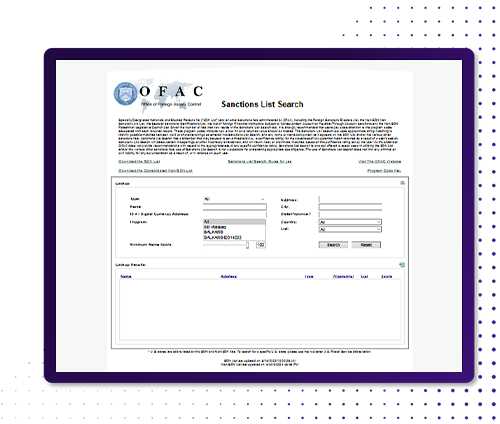
Invest in compliance software that provides real-time screening against OFAC’s SDN list and other relevant sanctions lists. Automating this process can significantly reduce the risk of human error.
4. Keep Informed
Stay updated on the changes and updates to OFAC regulations. Subscribing to relevant newsletters or following OFAC announcements can help you remain informed about new sanctions or regulatory changes.
What to Do If You Suspect a Violation
If you suspect a violation has occurred, it’s vital to act swiftly. Here are steps to follow:
1. Investigate the Issue
Conduct a thorough investigation to understand the nature of the potential violation. Gather all relevant documentation to provide a clear picture of the situation.
2. Consult with Legal Experts
Engage legal experts who specialize in compliance and OFAC regulations. They can provide guidance on the next steps and help you understand the potential implications of the violation.
3. Report the Violation
Depending on the severity of the violation, you may need to report the issue to OFAC. Transparency and proactivity can sometimes mitigate penalties.
Preventing Future Violations
After addressing the current issue, focus on prevention. Continuously improve your compliance framework by implementing best practices, conducting routine audits, and revising training materials as needed. Building a culture of compliance within your organization is essential to reducing the risk of future violations.
Conclusion
Navigating OFAC-related issues can be daunting, but with a proactive approach and a solid understanding of the regulations, businesses and individuals can ensure compliance and avoid significant penalties. As the landscape of international trade and finance continues to evolve, remaining vigilant and informed is more critical than ever. Remember, whenever in doubt, consult with legal experts to guide you through the complexities of OFAC regulations.

Jobie Grado
Jobie is currently pursuing Bachelor of Arts in Communication specializing in Film and TV Production at Colegio de San Lorenzo. She is a novel writer at Le Sorelle Publishing where she has published two fantasy romance books to date. She has proven her ability in media arts by being awarded Best Screenplay during the CDSL Griffin Film Festival.
Latest Advisories
